From the lush landscapes of Corfu and the historic heritage of Kos to the majestic scale of Crete. Discover the ideal match for your dream vacation.
"Greece is not a single destination, but a collection of distinct choices. Deciding between Crete and Corfu is more than looking at a map; it is about matching the rhythm, scenery, and atmosphere to your ideal holiday expectations."
Selecting the right island for a Greek getaway is an inspiring travel puzzle. Before you are four iconic destinations spanning the Dodecanese, the Ionian Sea, and the Aegean. Each charms visitors with clear turquoise waters, yet each delivers a completely unique vacation personality – from the immense geography of Crete to the welcoming, boutique scale of Kos.
When analyzing which island to choose for a vacation in 2026, it is practical to look beyond the beaches alone. Rhodes serves as a premier hub for sun-seekers and medieval crusader history; Corfu presents refined Venetian architecture framed by lush, vibrant greenery; while Crete stands as a virtual country within a country, where a single week offers only a brief introduction to its endless paths.
This comprehensive overview compares Kos, Crete, Rhodes, and Corfu based on average expenses, historical highlights, ease of transport, and localized climate patterns. Discover which destination stands out for multi-generational families with children, and which offers secluded, romantic sunset spots away from standard tourist corridors. This expert evaluation aims to streamline your planning with confidence.
| Island | Cost & Budget Profile | Beach Quality | Sightseeing Potential | Climate & Wind Patterns |
|---|---|---|---|---|
| Moderate ($$) Excellent cost-to-quality ratio across all resorts. |
Soft sand clusters primarily along the northern shores and western Kefalos. |
Centered around the Asklepiejon and Kos Town. Ideal for a standalone 7-day stay. |
Warm Mediterranean climate; steady northern Meltemi breezes wash the upper shores. | |
| Accessible ($) Inexpensive local tavernas; car rentals vary by season. |
World-class landmarks including Balos Lagoon, Elafonisi, and Falasarna. |
Minoan Palaces (Knossos), deep canyons (Samaria Gorge). Minimum 10-14 days advised. |
Consistently hot; arid eastern expanses contrast with a diverse western ecosystem. | |
| Slightly Higher ($$$) Expansive choices for high-end all-inclusive resort stays. |
Calm, organized shores along the east; western waters are optimized for windsurfing. |
Lindos Acropolis, UNESCO-listed Medieval Old Town, Valley of the Butterflies. |
Boasts over 300 days of annual sunshine; records top summer temperatures. | |
| Slightly Higher ($$$) Premium pricing noticeable inside the historic capital and northern bays. |
Beautiful coastal coves; pebbles and shingle topography dominate the shores. |
Stately Venetian architecture, Achilleion Palace, dramatic coastal viewpoints. |
Lush, green island ecosystem; slight likelihood of passing showers during May and October. |
Kos Island carries a distinct, unhurried authenticity. Frequently celebrated as a welcoming choice for multi-generational families, its core appeal relies on a tranquil, localized pace defined by the traditional Greek ethos of siga-siga (slowly, slowly).
It stands out among Aegean destinations as an environment where travelers can bypass standard vehicle congestions entirely, choosing instead to navigate kilometres of flat, well-engineered coastal cycling infrastructure while tracking the Turkish mainland on the marine horizon. For individuals seeking a harmonious match between soft coastal sand and genuine community life, it represents a highly functional destination.
Rather than touring the primary Tree of Hippocrates during peak midday heat, exploring the historic square after 9:00 PM is highly rewarding. The illuminated stone walls of Neratzia Castle combined with the cooling coastal breeze generate a distinct historical atmosphere. To escape peak seasonal crowds completely, travel westward to the high ridges of Kefalos; its isolated rocky inlets represent the unhurried essence of the Dodecanese.
Crete functions less like an island and more like a diverse mini-continent. Its sheer geographic scale and geographical diversity deliver immense variety, matching deep mythological heritages with dramatic environmental wonders.
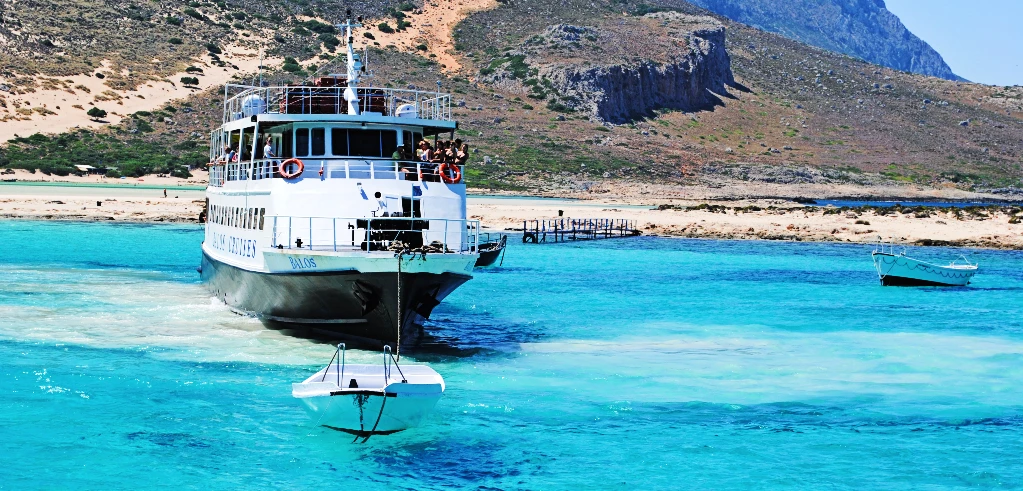
From the famous pink sands of Elafonisi to the rugged, steep corridors of the White Mountains and the historic Venetian harbor quarters of Rethymno, Crete rewards active exploration. It stands as a destination that cannot be fully appreciated over a brief stay; its complex identity warrants multiple return itineraries.
The historic port city of Rethymno offers a highly balanced strategic base. It provides efficient logistics for transiting toward the rugged, unhurried southern coast as well as navigating the archaeological landmarks along the northern transport corridor.
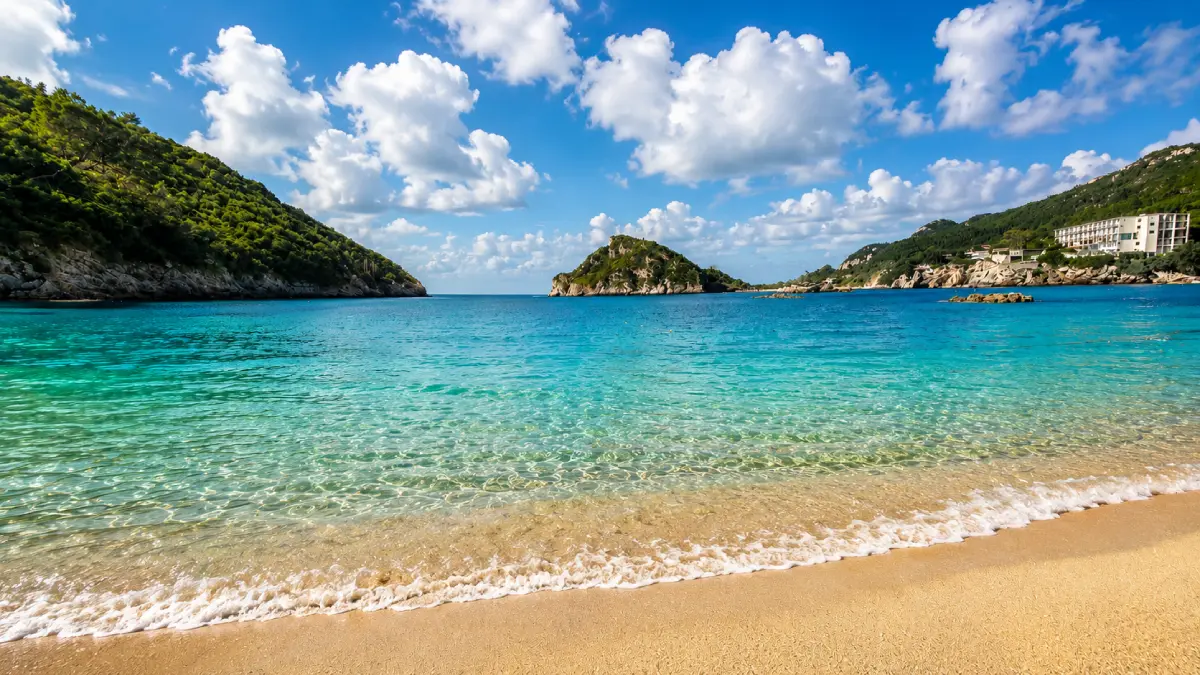
Rhodes matches expansive historical preservation with an active resort scene. Imposing medieval city fortifications contrast with the energetic avenues of Faliraki and the quiet elegance of whitewashed Lindos.
It stands as a dependable selection for travelers who prefer not to choose between major historical sightseeing and well-developed resort infrastructure. The island functions like a cultural time machine – moving from ancient acropolises to lively seaside hospitality zones under a climate of extended Mediterranean summer.
To discover traditional foodways away from standard tourist hubs, explore the interior village of Archangelos. Small, family-run establishments serve authentic regional recipes prepared using multi-generational traditions. This rural character provides an excellent contrast to standard commercial all-inclusive menus.
Corfu alters standard expectations of arid, sun-bleached Greek landscapes. It presents a lush, green environment with temperate microclimates and distinct regional products like local kumquat liquors. It is tailored for travelers who appreciate refined historical towns and natural shade provided by ancient olive groves.
The island's historic capital, Kerkyra (Corfu Town), displays architectural similarities to Naples or Venice rather than classic Aegean whitewashed styles. Featuring traditional laundry lines draped across narrow alleys and grand Italianate facades, Corfu offers an aesthetic unique among Greek island destinations. It provides a balanced combination of wild natural topography and historic European charm.
To bypass peak summer traffic, plan an excursion toward the village of Afionas and walk down the trail leading to the double cove of Porto Timoni. The path is narrow and requires sturdy footwear, but the panoramic view of two azure bays separated by a narrow strip of land represents a premier landscape across the Ionian Islands.
Greece encompasses over 2,000 individual islands. If the primary four destinations do not match your exact criteria, these regional options deliver specialized vacation experiences.
Volcanic caldera cliffs, whitewashed architecture accented by deep blue domes, and world-famous sunset vistas. A unique destination well-suited for special celebrations.
Home to the globally recognized Shipwreck Cove (Navagio) and vital nesting sites for Caretta-caretta sea turtles. Combines a rugged, cliff-lined north with active tourist zones in the south.
A compact, authentic volcanic island positioned near Kos. Allows visitors to descend directly into the crater floor of an active hydrothermal caldera, preserving an uncommercialized atmosphere.
One of the rare islands accessible directly via a causeway link from the mainland. Celebrated for dramatic western shores like Porto Katsiki, featuring exceptional turquoise waters.
A compact, densely forested island hosting over 60 sandy beaches, famous as a filming location for *Mamma Mia!*. Noted for fine sand dunes and a welcoming town center.
The ancient birthplace of Pythagoras, situated close to the Anatolian coast. Features steep mountain terrain, lush pine forests, historic tunnels, and famous sweet Muscat wines.
There is no single absolute 'best' Greek island. There is only the destination optimally aligned to your personal travel style. To simplify your itinerary planning, review the streamlined expert profiles below.
Select Kos. It offers wide, shallow sandy shores, flat terrain optimized for cycling, and a boutique, unhurried local atmosphere built around wellness.
Select Crete. An immense landscape optimized for extensive driving tours, filled with deep canyons, traditional mountain villages, and rich regional culinary traditions.
Select Rhodes. Delivers a balanced match between active resort entertainment, advanced water sports centers at Prasonisi, and deep historical exploration inside old fortified towns.
Select Corfu. Ideal for travelers preferring to avoid intense, unshaded summer heat, who value classical Venetian town planning, mature olive groves, and natural shade.
Choosing between Kos and Crete depends primarily on the desired scale of travel and transit logistics. In a direct comparison, Kos stands out for its boutique, accessible size and ease of navigation without a rental car – making it well-suited for a relaxed, 7-day cycling and beach holiday. Conversely, selecting Crete means committing to an immense geographical territory that requires a minimum of 10-14 days and dedicated vehicle hire to navigate deep gorges and far-flung historical landmarks successfully.
Evaluating Kos versus Rhodes pits relaxed, boutique tranquility against busy, high-capacity resort hubs. Rhodes provides a spectacular medieval old town core and a lively late-night entertainment scene. Kos responds with an unhurried, local pace, less crowded sandy beaches, and a focus on wellness heritage. For couples and families looking for genuine rest away from dense tourist crowds, Kos serves as a functional choice.
Deciding between Corfu and Kos is a choice between lush, humid greenery and classic, sun-bathed Greek island ambiance. In the Kos vs. Corfu comparison, the Ionian island stands out for its extensive natural tree shade and elegant Venetian architecture, though coastlines lean toward pebbles and shingles. Kos, in turn, guarantees stable, dry summer weather and kilometres of soft sand along a significantly warmer Aegean marine basin.
Reviewing choices like Corfu vs. Rhodes or Corfu vs. Crete balances the cooler, green northern archipelagos against the hot, sun-bleached southern regions. If selecting between Crete and Rhodes, both destinations deliver exceptional historical exploration, but Crete provides broader horizons for environmental discovery. Comparing Zakynthos and Kos contrasts high-density commercial picture-postcard sightseeing with the tranquil, authentic character of Kos Island.
Whether choosing the compact scale of Kos or the immense expanse of Crete, one operational rule remains vital: avoid waiting for Last Minute promotions during July and August. Top-tier boutique accommodations and affordable rental vehicle fleets are standardly secured months in advance through early booking networks. If heading to Kos, review our comprehensive Kos Sights Gids to organize your custom sightseeing plan smoothly.
Greece is highly welcoming, but specific regional guidelines apply. Review these points to bypass unexpected expenses and administrative delays.
Insurance Coverage: The public EHIC card provides basic safety, but securing supplementary travel underwriting is advised. It covers private clinic visits and emergency medical repatriation.
Water Quality: Central tap water is desalinated and safe for dental hygiene. For direct drinking, local 6-packs of mineral water are highly affordable (approx. 5 EUR at grocery stores).
Payment Methods: Multi-currency cards function reliably across major establishments, but carrying physical Euro banknotes is required for small mountain tavernas or rural markets.
Statistically, Crete and Kos provide the most accessible price matrices. Due to its expansive size, Crete hosts an immense variety of accommodation options and competitive pricing across inland villages. Kos stands out for all-inclusive vacation frameworks, making it easy to manage a fixed holiday budget. Popular resort strips on Rhodes and Corfu average roughly 10-15% higher operational costs.
For family travel, Kos is exceptionally well-suited. The island is celebrated for extensive sandy beaches (such as Tigaki and Mastichari) characterized by broad, very shallow entry shelves. Excellent alternatives include the northeastern coast of Rhodes (around Faliraki) and parts of northern Crete, though northern shores require attention regarding wave action during active Meltemi winds.
This approach is most practical on Kos and Corfu. Kos features flat coastal terrain and separate bike paths, making bicycles a viable mode of transport. Corfu operates a dense and reliable urban and regional bus network. Conversely, exploring Crete without a car is highly challenging, as vast distances separate primary landmarks (e.g., traveling from Chania to Balos Lagoon) and necessitate independent motorized transport.
Yes. Greece is part of the Schengen Area, meaning European Union and Schengen zone citizens can cross borders using a valid national ID card or passport. Keep in mind that if you coordinate a maritime ferry day trip from Kos or Rhodes across the border to neighboring Turkey (e.g., to Bodrum or Marmaris), a valid passport is mandatory for customs clearance.
The Meltemi is a dry, seasonal northern wind blowing across the Aegean during July and August. It registers most noticeably along the northern coastlines of Kos and Crete and the western shores of Rhodes. While it provides pleasant relief from intense summer heatwaves, it can generate significant wave action and complicate beach umbrella setups on open sand dunes.
In 2026, a classic traditional main course (such as Moussaka or Souvlaki) inside an island taverna ranges from 12 to 18 EUR. A standard Greek salad (Choriatiki) averages 7-10 EUR, while an iced frappe coffee costs 3-5 EUR. The most economical dining experiences are found within non-commercial interior mountain villages on Crete and Rhodes.
Plan your holiday itinerary today to discover the finest scenic and cultural landmarks across the island
Complete comprehensive guide to Kos Island lifestyle, local culture, and top sights.
KTEL bus schedules, urban DEAS mapping, vehicle rentals, and cycling paths – how to move smoothly.
From the long shallow sands of Tigaki to the wild, isolated volcanic bays of Kefalos.
Organized sea excursions to volcanic Nisyros island, traditional Kalymnos, or cross-border ferries to Turkey.