Everything required before departure – from documentation and local prices to transit networks and regional customs.
"While ancient remains across Kos trace centuries of Mediterranean history, practical preparation dictates the underlying comfort of a Greek holiday. Understanding local transport networks and payment customs unlocks a smooth Dodecanese experience."
Planning a vacation to Kos is entirely straightforward, provided travelers understand the local regulations and operational parameters of this Greek island. The Island of Hippocrates ranks among the most welcoming destinations within the Dodecanese archipelago; however, taverna pricing, public transit schedules, and localized payment expectations can occasionally surprise visitors accustomed to mainland European hubs.
This reference registry compiles the essential practical knowledge for the 2026 season . Learn the most efficient transit paths from Hippocrates International Airport (KGS) to Kos Town, why carrying physical currency is helpful inside the mountain village of Zia, and what documentation parameters are mandatory to secure scooter or quad bike rentals for exploring the wild western coastlines of Kefalos.
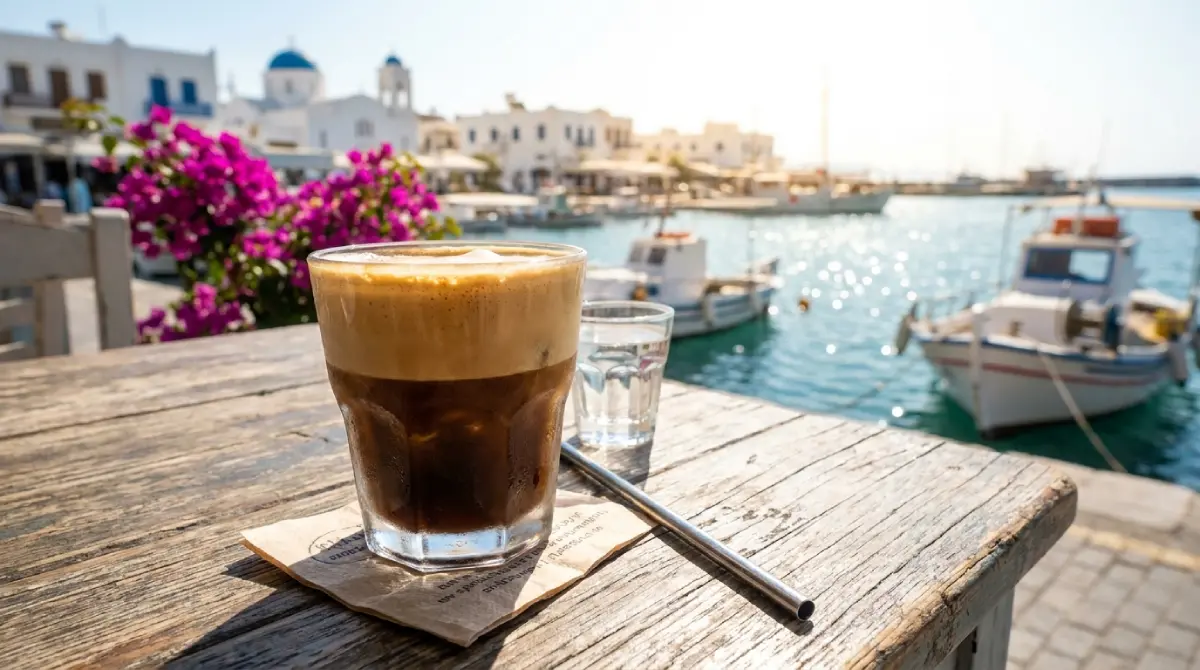
This guide analyzes real-world living costs on Kos – ranging from a cold freddo espresso coffee along Mastichari harbor to sunbed rental rates across Paradise Beach. Review this data to organize your stay efficiently, enabling you to bypass administrative friction and focus on the core elements of your holiday: the sun, the history, and the clear expanses of the Aegean Sea.
Greece, as a full member of the European Union and the Schengen Area, offers highly streamlined border entry procedures for regional travelers. Traveling to Kos Island requires minimal administrative friction, positioning it as an exceptionally convenient destination for spontaneous Mediterranean travel.
Ensuring identification documents maintain appropriate structural validity prior to departure is the main step required. While crossing borders remains straightforward, checking secondary variables – including localized driver's license mandates and medical insurance parameters – is vital before exploring remote island backroads.
EU/EEA citizens can cross borders utilizing a valid national ID card or passport. International travelers from non-Schengen countries require a valid passport with at least 3-6 months validity beyond the intended stay.
EU driving licenses are fully recognized on-site. Renting traditional quad bikes (ATVs) typically requires a standard Class B license, while scooters exceeding 50cc require a valid Class A motorcycle endorsement.
The European Health Insurance Card (EHIC) covers essential public hospital medical treatments exclusively. Securing a private travel insurance policy featuring a medical expense cover of at least 50,000 EUR is highly advised to manage private resort clinic consultations and emergency medical transport costs smoothly.
When arranging a ferry excursion from Kos harbor to Bodrum, keep in mind that you are formally exiting the European Schengen Zone. While select nationalities enjoy visa-free entry to Turkey for tourist stays up to 90 days, passing through full customs passport control at both port terminals is mandatory and introduces additional queue times.
Kos operates entirely within the Eurozone (EUR), which simplifies vacation budget calculations for international travelers. While the regional tourist hospitality network is modern and well-optimized for cashless processing, understanding local financial customs helps avoid unnecessary conversion markups or unfavorable automated transaction fees.
The clear majority of retail venues, from prominent hypermarkets to small, family-owned coastal tavernas, accept contactless debit and credit cards. However, carrying traditional physical currency remains highly useful for specific transactions – such as renting sunbeds on unmanaged beaches, purchasing produce at local farmers' stalls, or dining in remote villages. Review the standard seasonal costs outlined below to organize your funding efficiently.
ATM Networks: Avoid independent unbranded ATM kiosks (such as Euronet setups), which often introduce high operational processing fees and unfavorable conversion markups. Prioritize official local bank terminals (including Alpha Bank, Piraeus Bank, and the National Bank of Greece), which charge a standard, fixed access fee of 2.50 - 3.00 EUR per international card withdrawal.
Climate Resilience Stay Fee: Greek accommodation properties collect an eco-tax known as the Climate Resilience Fee, calculated per room, per night of occupancy. During the high season (April to October), legislative rates range from 2.00 EUR daily for 1-2 star hotels up to 15.00 EUR daily for premium 5-star resorts. During the low season (November to March), rates decline, ranging from 0.50 EUR to 4.00 EUR per night. This fee is typically settled via cash or card directly at check-in or checkout, processed separately from the core booking cost.
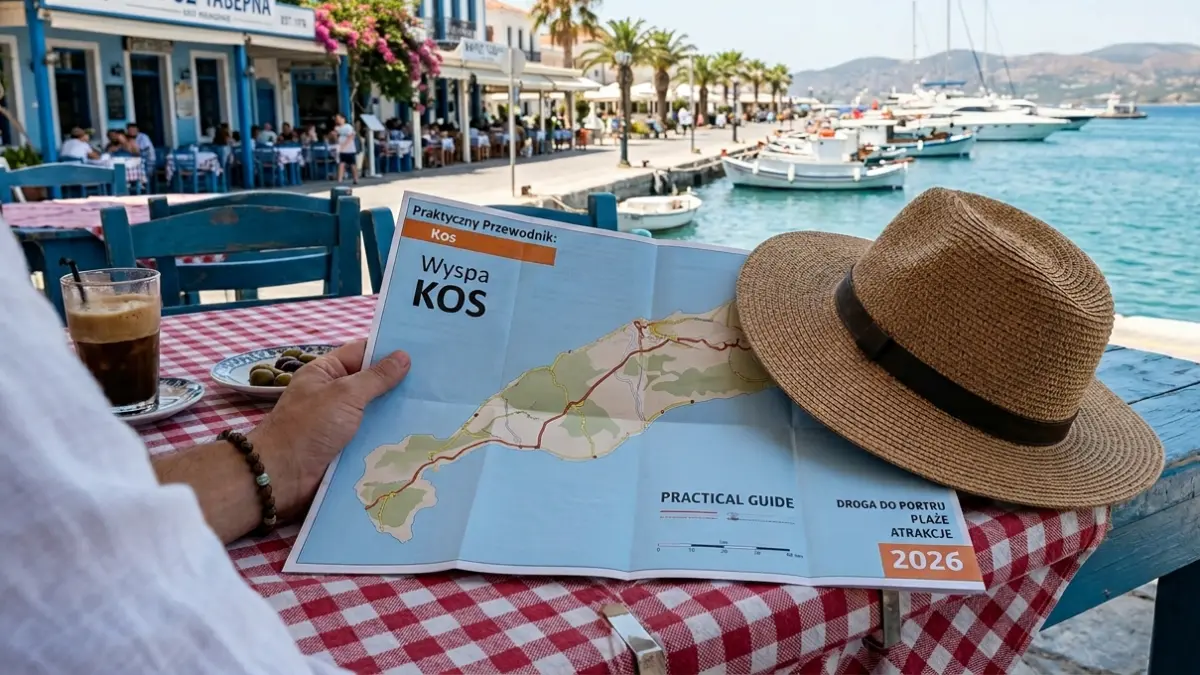
Traveling to Kos Island is highly intuitive, supported by an established network of seasonal flight connections and deep-water marine shipping lines. International transit links connecting with major European metropolitan hubs make the destination highly accessible, serving as a primary maritime gate to the southeastern Dodecanese islands.
Navigating your arrival coordinates relies on choosing between direct seasonal holiday charter flights, flexible commercial connections transiting through Athens International Airport, or scenic sea routes operating from nearby Aegean islands or the Turkish coast. This analysis covers primary external transit options to ensure a smooth journey to the island.
The standard choice for rapid, comfortable point-to-point transit. Throughout the extended high season (May to October), major European hubs operate dense weekly direct flights.
Operating continuously through winter, these routes are highly useful for custom itineraries or travelers integrating a brief urban stopover inside Athens.
Domestic connecting air services are standardly managed by regional carriers like Aegean Airlines and Olympic Air.
Kos Town harbor functions as an essential, high-capacity maritime shipping junction within the eastern Aegean ferry network.
Takes just 20-45 minutes via hydrofoil or standard passenger catamaran, ideal for day trips.
Approximately 2.5 hours utilizing high-speed commercial catamarans.
Kos "Hippocrates" International Airport (KGS) occupies a central location on the island plateau, situated roughly 24 km from Kos Town.
Kos features convenient geographic dimensions – compact enough to tour efficiently over a few days, yet broad enough to showcase diverse coastal ecosystems. From modern paved cycling lanes framing the northern shores to steep mountain switchbacks ascending toward Zia village, selecting the appropriate mode of transit directly shapes how you experience the island.
The core road infrastructure is well-maintained and clearly marked, making navigation intuitive and safe. Whether prioritizing the complete autonomy of a rental car, choosing an eco-friendly bicycle (which has emerged as a symbol of the island), or utilizing the regional bus network, Kos provides transit options suited to any traveler profile.
The optimal choice for reaching the isolated beaches of Kefalos or heading up to Zia for sunset dining without fixed schedule limitations.
Highly popular for open-air coastal transit. Quad bikes are effective for navigating unpaved trails leading to secluded coves.
A highly economical method for traveling between major island settlements. Fleet vehicles are modern, air-conditioned, and dependable.
Kos is widely celebrated across Greece as the 'Bicycle Island.' Flat terrain along the northern coastal strip facilitates recreational cycling.
Kos operates on the right-hand side of the road. Primary highways maintain good conditions, though lanes within historical mountain settlements like Zia become notably narrow and steep. Be alert to the common local practice of utilizing the hard shoulder to facilitate passing maneuvers for faster vehicles. Driving Limits: The legal Blood Alcohol Concentration (BAC) limit is 0.5 promille; however, for newer drivers holding licenses under 2 years, the limit drops to 0.2 promille. Maintaining complete abstinence from alcohol when driving is strongly advised.
Supported by modern network expansions, Kos features dependable digital connectivity across the Dodecanese archipelago. Accessing remote data services or managing professional tasks while traveling functions reliably across primary settlement zones.
High-speed 5G data coverage is standard across major coastal resorts and the capital city, providing stable bandwidth throughout high-density summer seasons. Widespread availability of free Wi-Fi networks across tavernas, beach clubs, and hotel properties enables straightforward data access during your stay.
Primary local networks include Cosmote (widely noted for consistent rural coverage), Vodafone, and Nova. 5G signals are highly reliable across Kos Town, Tigaki, and Kardamena.
Available across almost all tavernas and cafes. Select managed beach sectors include Wi-Fi codes with sunbed rentals. Bandwidth supports smooth web browsing and streaming.
The legislative 'Roam Like At Home' protocol applies to EU-issued SIM cards, covering calls and texts within your domestic plan parameters up to strict data limits.
For non-EU travelers (including UK and US tourists), sourcing a local prepaid data package (e.g., Cosmote What's Up) or utilizing digital eSIM providers represents the most economical option.
Reliable mobile internet access across Kos serves as a key asset for modern itinerary coordination, and the local infrastructure functions efficiently. For European travelers utilizing EU network providers, data connectivity operates seamlessly under standard unrepresented regional pricing agreements.
Be mindful of the structural Fair Use Policy (FUP) limits tied to EU roaming. While voice calls and texts follow your home tariff directly, your domestic provider allocates a specific, smaller data allowance for international use. For example, an unlimited domestic plan might restrict free EU roaming data to between 15GB and 25GB per billing cycle. Once this allowance is exhausted, supplementary usage is billed at standard regulated EU wholesale data rates.
For international travelers originating outside the EU zone – such as tourists from the United Kingdom, United States, or Canada – standard international roaming rates can introduce significant unexpected expenses. To bypass this, procuring a local Greek prepaid SIM card at authorized kiosks in Kos Town or initializing a digital eSIM Greece package before arrival represents a practical approach. These digital options provide dedicated data-only allowances on local networks without requiring physical card swaps.
Downloading these applications prior to arrival facilitates smooth island navigation:
Medical infrastructure across Kos Island follows dependable European standards. International travelers holding valid health insurance or reciprocal cards possess clear pathways to access state-managed healthcare options for sudden, unplanned emergency developments.
The regional medical system relies on three primary pillars: well-stocked community pharmacies (Farmakeio) capable of managing minor health conditions, modern private urgent care clinics, and the central public Hippokration General Hospital located in Kos Town. Understanding when to utilize a local pharmacist versus selecting private medical centers optimizes care and ensures rapid processing during your holiday.
Identifiable by a distinctive bright green neon cross. Local Greek pharmacists are highly qualified and provide excellent guidance.
For urgent clinical scenarios, map coordinates directly to state or private emergency systems.
Located in Kos Town center. Recognizes the EHIC framework, though patient volume can introduce extensive wait times.
The recommended pathway for insured international travelers. Features high-standard facilities and accelerated triage processing.
Skin Care: High-potency Panthenol formulations for sunburn relief; DEET insect repellents.
Gastrointestinal: Rehydration salts (electrolytes) and standard traveler's anti-diarrheal medications.
Motion sickness tablets (essential for open-water boat tours to Nisyros).
Prescriptions: Maintain regular medications inside carry-on baggage accompanied by standard physician notes.
Kos maintains a consistent status as one of the safest vacation destinations across Greece, presenting low general crime metrics within the Mediterranean basin. This stable public safety profile makes the island highly well-suited for families traveling with children and independent solo travelers looking for total peace of mind.
The local population maintains a strong cultural focus on premium hospitality, resulting in a safe, welcoming environment across both the main capital and remote agricultural interior zones. While the risk of serious security developments remains marginal, observing standard common-sense vacation awareness streamlines your stay. Review these practical guidelines to ensure an uncomplicated holiday experience.
Serious criminal activities are extremely rare anomalies. Public streets remain secure for movement at any hour of the day.
Late-night pedestrian transit across coastal promenades is standard practice. Paved walkways are well-lit and highly active.
The specialized Tourist Police office inside Kos Town assists international visitors with documentation or property losses, communicating fluently in English.
The primary source of health center consultations. Chilling >Meltemi winds mask solar intensity, leading to unexpected severe burns. Apply high-factor sunscreens even during light overcast periods.
Exercise standard caution regarding unbranded complimentary promotional shots offered in high-density club alleys. Stick to verified venues and sealed container options where possible.
The leading source of preventable injury. Heated limestone asphalt becomes remarkably smooth and slick. Never operate scooters or ATVs without helmets or under any impairment; legal penalties are strict.
Save these primary public dispatch contacts within your mobile device. Calls are free of charge.
Reviewing basic cultural expectations and daily structural parameters helps travelers transition smoothly across Greece, ensuring a respectful and integrated holiday experience.
From honoring quiet afternoon rest hours to dressing appropriately within Orthodox religious spaces, these practical operational parameters assist in maintaining smooth interactions across both resort zones and small traditional villages.
Interior retail shops and administrative centers close between 2:00 PM and 5:00 PM. Resort restaurants remain open continuously.
Breakfast: 7-10 AM, Lunch: 1-3 PM, Dinner: 8-11 PM. Keep w mind that local Greek families dine remarkably late in the evening.
Standard retail venues remain closed on Sundays. Mini-markets and souvenir boutiques within active tourist sectors are exceptions.
Due to narrow plumbing diameters, all used sanitary paper must enter the bins located next to the toilet.
Utilizing basic terms like 'Kalimera' (Good morning) and 'Efcharisto' (Thank you) is highly appreciated across family-run venues.
Operates on standard European Type C/F sockets supplying 230V. Standard continental plug designs require no conversion adapters.
The legal purchasing age threshold is 18 years. Public consumption is lawful provided social order is maintained.
Indoor smoking is prohibited by law across public spaces, though consumption on open-air restaurant terraces remains common.
When entering Greek Orthodox churches, shoulders and knees must remain fully covered out of respect for local religious customs.
Stray cats and community dogs belong to the public sphere, standardly monitored and managed by local animal welfare organizations.
Monitor flag statuses consistently: Green (Safe), Yellow (Caution/Moderate waves), Red (Strictly Forbidden/Life Hazard).
Traditional hospitality belongs to local identity; dining experiences frequently conclude with a complimentary small dessert or digestif.
Orthodox Easter represents the primary annual religious event. August 15 (Assumption of Mary) marks a significant public holiday where administrative services close.
Tap water across Kos is safe for basic dental hygiene and washing. However, given its high mineral concentration and distinct taste from desalination processing, the consumption of bottled water is standard practice. Bottled water packs are inexpensive and widely available across all island retail stores.
Yes, absolutely. Kos ranks as one of the flattest islands across Greece, making it an excellent location for cycling. Dedicated, modern bike paths run between Kos Town and northern coastal resorts like Tigaki and Marmari. daily bike rentals range between 5 and 8 EUR.
Living costs on Kos remain highly moderate. A standard Pita Gyros averages 4.50 - 6.00 EUR. A traditional sit-down taverna meal for one person (incorporating a main course and beverage) ranges from 15 to 22 EUR. Fresh seafood selections carry premium prices and are standardly billed by weight metrics.
Major electronic payment networks (Visa, Mastercard) are accepted across most hotels, main restaurants, and supermarkets. However, carrying physical cash reserves remains helpful for settling public bus fares onboard, purchasing minor items at rural stalls, or tipping across small family establishments.
Mosquitoes become active primarily during calm, non-windy summer evenings near water basins. Standard protective insect sprays or local Greek formulations (such as the prominent Crilen brand sourced at pharmacies) are entirely sufficient. Hotel rooms routinely feature electronic plug-in insect repellents.
Greece sits within the EU zone, meaning European travelers access data via standard 'Roam Like At Home' frameworks. Voice minutes and text allocations follow your domestic plan directly, though international data quotas are limited by fair use caps. 5G network cell coverage is well-developed across all key towns.
This is an architectural parameter across Greece. Wastewater drainage plumbing utilizes a narrow 50mm pipe diameter (contrasting with standard 100mm layouts elsewhere), leading to high blockage risks. All used paper items must be placed within the lidded waste bins located next to the toilet fixture.
Kos does not host hazardous wildlife species presenting threats to visitors. Marine jellyfish sightings are sporadic anomalies occurring primarily following heavy northern gale winds. Take care regarding sea urchins along rocky entries, where utilizing protective water shoes is advised.
Now that your practical logistics are coordinated, discover the finest coastal highlights across the island.
Return to the main informational compendium to review top attractions and vacation strategies.
From the steps of the Asklepiejon to mountain dinners w Zia. Review the essential landmarks.
Locate the warmest waters. Discover the coastal sand dunes of Tigaki and pristine bays of Kefalos.
Coordinate day cruises to volcanic Nisyros caldera, the Kalymnos sponge hub, or Bodrum terminal.